
Home > Blog
For years, the success of tourism in the Komodo region was measured by one thing: the number of visitors arriving each year. More tourists meant more boats, more tour departures, and stronger economic growth for local businesses.
Today, that equation is beginning to change.
Recent tourism policies and conservation efforts indicate a shift away from mass tourism toward a more sustainable and premium tourism model. Rather than focusing solely on visitor numbers, stakeholders are increasingly prioritizing visitor experience, environmental protection, and long-term destination value.
This shift raises an important question:
Can Komodo Tours become more profitable even with fewer visitors?
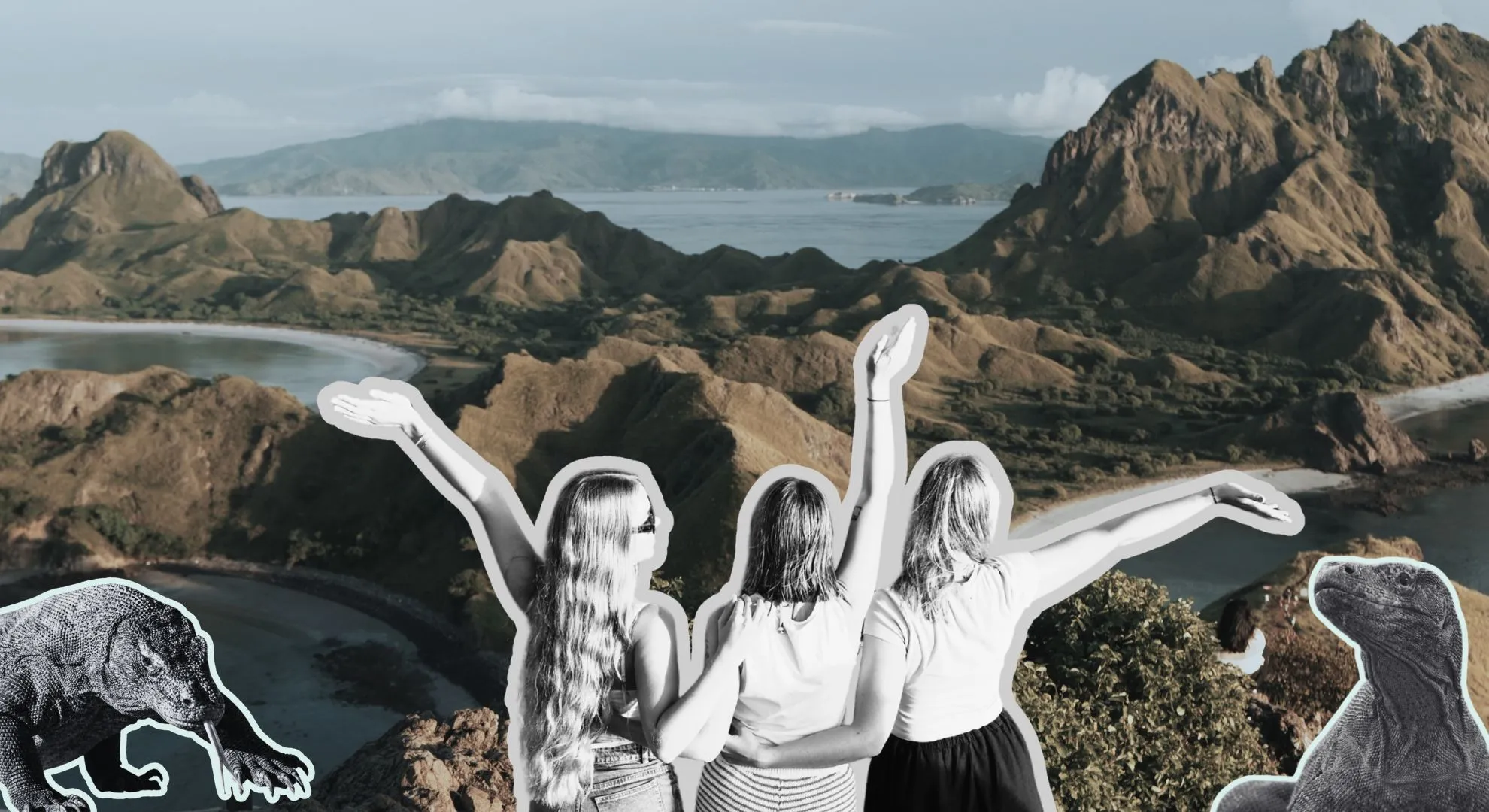
Komodo National Park is not just a tourist destination—it is a protected conservation area with finite capacity.
Unlike urban destinations that can continuously expand infrastructure, Komodo’s natural assets have clear environmental limits. The habitat of the Komodo dragon, trekking routes, snorkeling spots, and dive sites can only accommodate a certain number of visitors before environmental pressures begin to increase.
Over the past decade, the growing popularity of iconic locations such as Padar Island and Pink Beach has generated discussions about overcrowding and sustainability.
Without proper management, increasing visitor numbers could eventually threaten both the environment and the quality of the tourism experience itself.
The current transformation reflects a broader shift from mass tourism toward premium and sustainable tourism.
Under the traditional model, many operators competed primarily on price. Open-trip packages attracted large numbers of visitors, and business growth depended heavily on volume.
Today, the focus is gradually moving toward value rather than volume.
Tour operators are increasingly investing in premium phinisi cruises, private charters, luxury liveaboard experiences, personalized services, and enhanced safety standards. The goal is not necessarily to attract more tourists, but to provide higher-quality experiences for those who visit.
This approach mirrors a growing global trend among nature-based destinations that seek to balance economic growth with environmental protection.
For travelers, the most noticeable impact is likely to be higher prices.
As visitor numbers become more regulated and service standards improve, the cost of experiencing Komodo may continue to rise.
However, the benefits are equally significant.
Fewer visitors often translate into less crowded viewpoints, more enjoyable trekking experiences, better snorkeling conditions, and a more exclusive atmosphere overall. Travelers can spend less time navigating crowds and more time appreciating the destination itself.
Many visitors are willing to pay a premium for a quieter and more authentic experience.
The transition creates new opportunities for several groups within the tourism ecosystem.
Premium tour operators are among the biggest beneficiaries. Businesses that offer high-quality vessels, professional crews, strong safety standards, and exceptional guest experiences are well positioned to thrive in this environment.
Travelers seeking exclusivity and comfort also benefit from reduced congestion and improved service quality.
Perhaps most importantly, the environment stands to gain. Lower visitor pressure can help preserve marine ecosystems, wildlife habitats, and the natural landscapes that make Komodo one of the world’s most remarkable destinations.
The transition also presents challenges.
Operators that rely heavily on budget travelers and high-volume tour models may face increasing pressure to adapt. Competing solely on low prices could become more difficult as regulations evolve and visitor expectations rise.
Budget-conscious travelers may also find fewer low-cost options available, particularly during peak travel seasons when demand remains strong.
As a result, the industry’s shift toward premium tourism is likely to create both opportunities and growing pains.
At first glance, the idea may seem counterintuitive.
Traditional tourism models depend on large visitor numbers to drive revenue. Premium tourism, however, focuses on increasing the value generated by each individual traveler.
Consider a simple example:
A tour operator serving 100 visitors at a low price point may generate similar—or even lower—revenue than an operator serving 20 visitors who purchase premium experiences, private services, and longer itineraries.
In this model, economic value is measured not by the number of arrivals but by visitor spending, service quality, and overall contribution to the local economy.
This philosophy has become increasingly common among world-renowned conservation destinations seeking sustainable growth.
The ongoing transformation suggests that the future of Komodo tourism will no longer be defined solely by visitor numbers.
Instead, success will increasingly depend on balancing three key objectives: economic growth, visitor satisfaction, and environmental conservation.
If implemented effectively, Komodo could become a leading example of how conservation destinations can create greater economic value while preserving the natural resources that attract travelers in the first place.
The new era of Komodo Tour is therefore about more than higher prices or fewer visitors. It is about redefining tourism success—shifting from the pursuit of volume to the creation of lasting value for travelers, businesses, and the environment alike.
3 Island Liveaboard offers a relaxed and immersive way to explore the breathtaking waters of Komodo National Park and the Flores Sea. Designed for travelers who want to experience the islands at a comfortable pace, the liveaboard combines the freedom of sailing with the simple pleasure of waking up surrounded by turquoise waters, dramatic landscapes, and untouched tropical scenery.
| Trip Duration | Room Type | Package Type | Price (IDR) / Pax |
|---|---|---|---|
| 3 Days 2 Nights | Private Cabin | Open Trip | IDR 4.450.000 |
| 3 Days 2 Nights | Shared Cabin | Open Trip | IDR 3.450.000 |
| 3 Days 2 Nights | Extra Bed in Private Cabin | Open Trip | IDR 3.000.000 |
