
Golden Island Cruises

The Origins of Lake Satonda and the Taboos Still Observed Today

Home > Blog

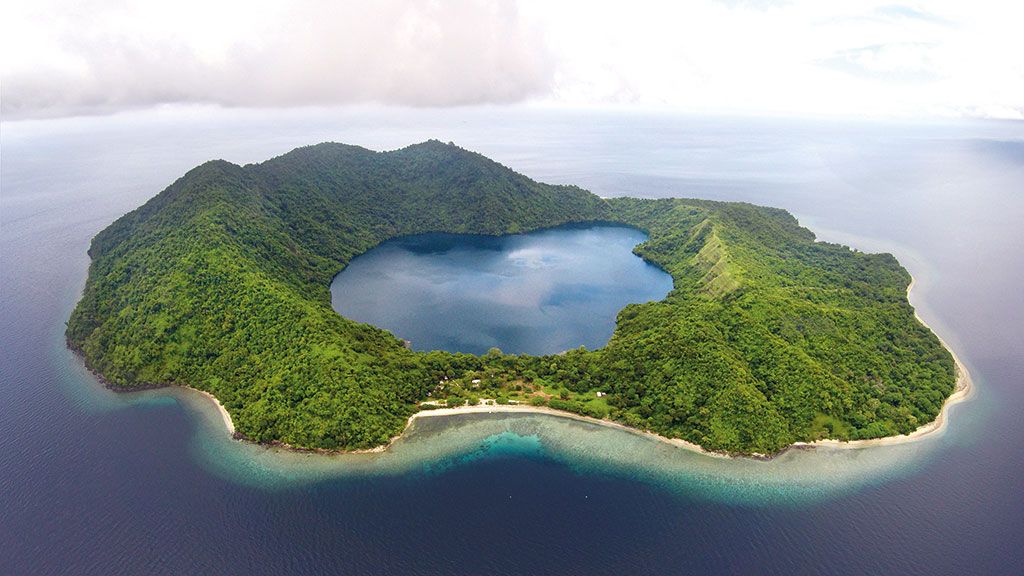
Satonda Island is a small island in Dompu Regency, West Nusa Tenggara, which holds a unique attraction in the from of a saltwater lake located in the middle of the land. Lake Satonda is not only visually captivating, but also rich in historical stories, myths, and local beliefs passed down from generation to generation.

The uniqueness of this lake makes Satonda Island more than just a natural tourist destination; it is also regarded as a place with cultural and spiritual significance for the surrounding community.
The Story Behind the Formation of Lake Satonda

  1. Scientific Explanation
    Geologically, Lake Satonda is believed to have formed as a result of the massive eruption of Mount Tambora in 1815. This eruption triggered extremely powerful tsunami waves that swept across the coastal areas of Sumbawa Island and nearby islands.
    Seawater carried by the tsunami flowed into the crater basin of an ancient volcano on Satonda Island. Over time, the basin filled with seawater and rainwater, forming a closed lake with no outlet. This explains why the water of Lake Satonda has a high salt content even though it is not directly connected to the sea.
  2. Folklore and Local Beliefs
    In addition to scientific explanations, local communities also believe in folklore surrounding the origin of Lake Satonda. According to the tale, a mother who was exhausted from carrying her constantly crying baby eventually uttered harsh words out of frustration.
    Shortly after these words were spoken, nature seemed to respond: the ground shook, heavy rain fell, and water overflowed, submerging the surrounding area. The place then transformed into a large lake now known as Lake Satonda. The salty water of the lake is believed to have come from the mother’s tears of regret.
    This story is regarded as a reminder for people to always guard their words and control their emotions.

Taboos Observed on Satonda Island

Satonda Island is considered a sacred area. Therefore, there are several taboos that are still respected today, both by local residents and visitors.

  • Guarding One’s Speech While on the Island
    Visitors are expected not to speak harshly, arrogantly, or disrespectfully about the place. Local beliefs hold that negative words can bring misfortune upon oneself.
  • Not Damaging the Environment
    Acts such as littering, damaging plants, taking stones, or harming the marine ecosystem are strictly prohibited. This taboo also serves as a way for the community to preserve the natural environment of Satonda Island.
  • Prohibition Against Swimming in Lake Satonda
    Lake Satonda is not intended for swimming or bathing. Aside from spiritual reasons, this prohibition is meant to maintain ecological balance and ensure visitor safety.
  • Not Expressing Ill Intentions or Negative Prayers
    Satonda Island is believed to be sensitive to intentions and words. Therefore, visitors are advised not to utter curses, malicious intentions, or prayers that could harm others.
  • Not Taking Anything from the Island
    Taking sand, stones, wood, or any other objects from Satonda Island is believed to bring bad luck. Many oral stories circulate about visitors who experienced disturbances after violating this taboo.
  • Being Polite and Asking for Permission
    Before exploring the island, visitors are encouraged to behave respectfully and, if possible, ask for permission inwardly or through a local guide as a form of respect for local customs and nature.

The Meaning Behind the Myths and Taboos

The myths and taboos of Satonda Island are not merely beliefs; they also convey moral messages about the importance of guarding one’s speech, respecting nature, and living in harmony with the environment. These values form an essential part of the cultural identity of the surrounding community.
Visiting Satonda Island is not only about enjoying the beauty of its rare saltwater lake, but also about understanding the local wisdom that has helped preserve this place to this day