
Home > Blog
Komodo Island is not just a tourist destination — it is one of the last places on Earth where prehistoric predators still roam freely in the wild. Located inside Komodo National Park, this extraordinary region offers a rare blend of wildlife tourism, dramatic savanna trekking, and snorkeling in some of the most biodiverse waters on the planet.
If you are searching for an authentic nature adventure in Indonesia, a Komodo Island tour will change the way you see the natural world.
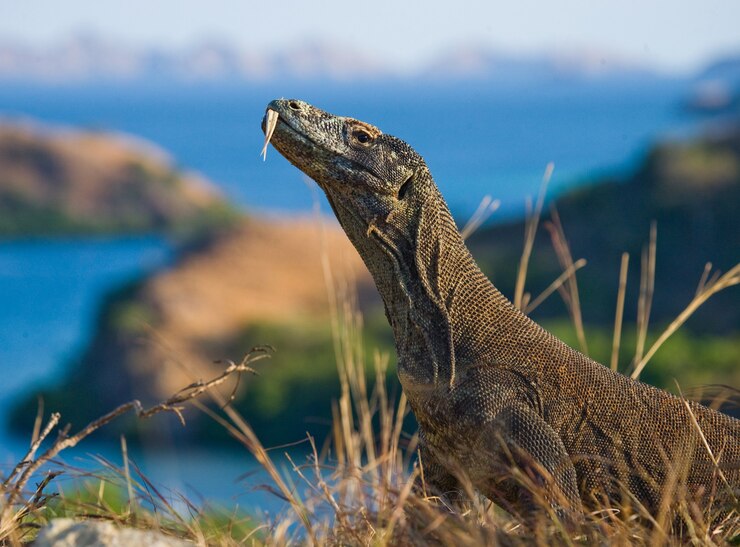
Komodo Island lies between Flores and Sumbawa in East Nusa Tenggara, Indonesia. It is part of Komodo National Park, a UNESCO World Heritage Site famous as the natural habitat of the Komodo dragon (Varanus komodoensis), the largest lizard species on Earth.
Main islands and attractions travelers can visit include:
Most Komodo trips begin in Labuan Bajo, a small harbor town that has transformed into Indonesia’s premier eco-adventure hub.
Komodo National Park was established in 1980 to protect the endangered Komodo dragon. Initially focused on terrestrial conservation, the park later expanded its mission to protect the surrounding marine ecosystem — now recognized as one of the richest underwater habitats in the world.
Strong ocean currents create nutrient-dense waters that support thriving coral reefs, manta rays, sea turtles, reef sharks, and thousands of fish species. Today, Komodo is considered a global hotspot for marine biodiversity and a bucket-list destination for divers and snorkelers.
Traveling to Komodo is more than adventure tourism — it is active support for global conservation.
The Komodo dragon is a keystone species, meaning it plays a critical role in maintaining ecological balance. As an apex predator, it regulates deer and buffalo populations, preventing ecosystem collapse.
Fascinating Komodo dragon facts:
Seeing a Komodo dragon in its natural habitat is an experience no zoo can replicate. It is a direct encounter with living prehistoric history.
Trekking with park rangers
Guided trekking on Komodo Island and Loh Liang is conducted with official national park rangers. Trails cross open savanna and dry forest where dragons are often seen resting or hunting.
Morning treks are ideal because temperatures are cooler and dragons are more active.
World-class snorkeling and diving
Komodo’s waters rank among the best dive sites on Earth. Popular spots include:
Crystal-clear water, healthy reefs, and nutrient-rich currents create extraordinary marine life encounters.
Hiking Padar Island
Padar Island is famous for its iconic hilltop viewpoint. A short but steep hike rewards travelers with a panoramic view of three crescent bays with contrasting colors — one of Indonesia’s most photographed landscapes.
The most common routes:
For a more adventurous journey, travelers can depart from Lombok aboard a traditional phinisi liveaboard, combining sailing heritage with modern comfort.
Golden Island Cruises offers multi-day liveaboard trips that blend exploration, conservation awareness, and premium onboard hospitality.
Protecting Komodo’s fragile ecosystem is essential.
Responsible tourism ensures Komodo dragons remain safe for future generations.
Each season offers a different landscape character:
March -April – June
Green savanna, fresh post-rain scenery, comfortable weather
July – September
Dry season, calm seas, ideal for sailing and diving
October – November
Clear skies, fewer tourists, warm water conditions
Komodo is a year-round destination, but timing your visit enhances the experience.
Komodo represents one of the last surviving prehistoric ecosystems on Earth. Visiting is like stepping into evolutionary history. Yet the region remains fragile — its future depends on sustainable travel choices.
Choosing responsible operators such as Golden Island Cruises supports local conservation while delivering a world-class adventure.
Komodo: A Living Prehistoric World
Standing a few meters away from a wild Komodo dragon creates a feeling beyond excitement — it evokes humility and respect. Humans are visitors in a landscape far older than civilization itself.
Komodo Island is not just a travel destination.
It is a meeting point with Earth’s ancient past.
Golden Island Cruises – Komodo’s #1 Trip Partner for Unforgettable Adventures. Book with Confidence with Your Official Komodo Travel Partner and Set Sail to Paradise!
Copyright 2022 © Golden Island Cruises| Powered by PT PULAU MAS ADIDAYA ABADI
Need more Help, Chat us Via What's App
