
Home > Blog
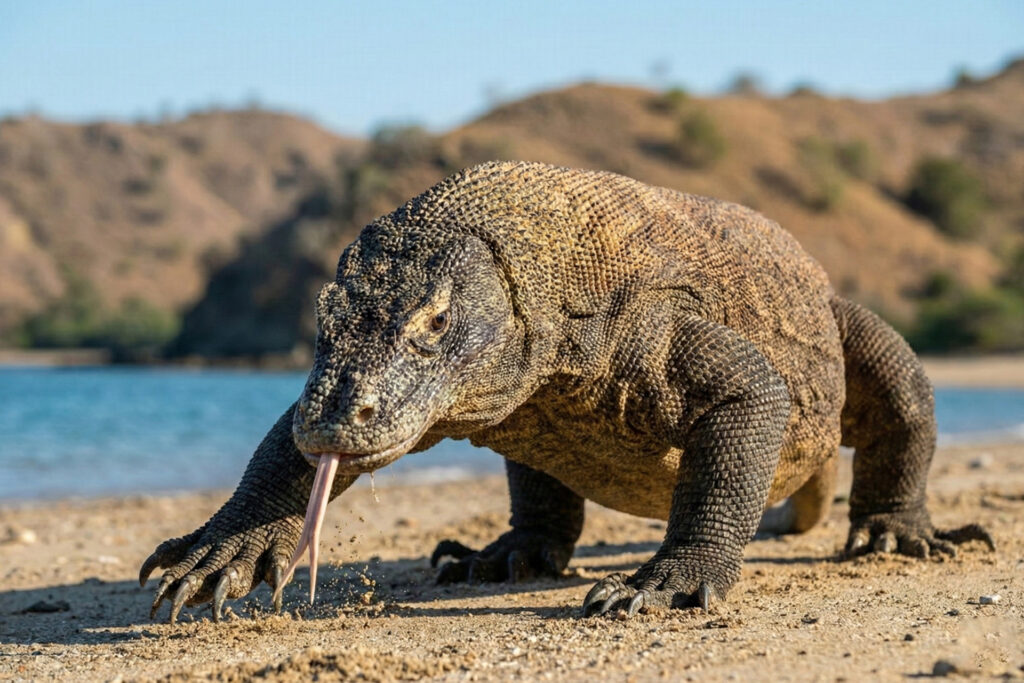
Komodo National Park is in East Nusa Tenggara, Indonesia, and it includes three main islands: Komodo, Rinca, and Padar, plus a bunch of smaller ones. It’s famous for being home to the Komodo dragon, the biggest lizard in the world, which you can only find here. Besides the dragons, the park hosts many unique plants and animals and an incredible marine ecosystem with coral reefs, mangroves, and seagrass beds. The park became a UNESCO World Heritage Site in 1991, highlighting its importance globally. Its one-of-a-kind ecosystem blends land and sea, making it a huge draw for tourists worldwide.
The natural homes of Komodo dragons are crucial for keeping them alive and keeping the species going strong. As top predators, they help keep the ecosystem in check by managing the populations of other animals. If their habitat gets messed up, it can throw off their life cycle, including how they reproduce, hunt, and adapt to their surroundings.
These dragons are also sensitive to changes in their environment, like shifts in temperature, loss of plants, and human activities. So, protecting their natural habitat isn’t just essential for their survival; it’s also crucial for keeping the entire ecosystem balanced.
Komodo National Park has become super popular with tourists, and more and more people visit each year. While this tourism boosts the local economy, it also has grave environmental risks. The noise from boats, trekking activities, and how people interact with Komodo dragons can stress these animals out and mess with their natural behaviors. The quick rise in tourism facilities and transport can harm the landscape. The waste generated from all the human activities, both on land and in the water, adds to the problem. That’s why focusing on sustainable tourism practices is essential to keep Komodo National Park a unique natural space.
Komodo dragons are the top hunters in their environment, mostly chowing down on meat. They go after various animals, like deer and wild boars, and they don’t mind some leftovers. These reptiles have a strong sense of smell, letting them pick up the scent of rotting animals from miles away. They usually prowl during the cooler parts of the day, either early morning or late afternoon. Since they’re big and their metabolism is slow, they only need to eat every few days. Komodos like to play it smart by lying in wait for their prey, then strike with a powerful bite. Their spit has bacteria and some mild venom that can infect and weaken their catch, making it easier to take them down.
Komodo dragons mate during the summer months, from May to August. When the females are ready to lay eggs, they usually drop around 15 to 30 eggs in burrows or old nests left by megapode birds. Those eggs take about 7 to 8 months to hatch, typically in March or April.
When the hatchlings are born, they’re about 40 cm (16 inches) long, but they’re super vulnerable to being eaten, even by the adult Komodo dragons. To stay safe, the little guys often climb up into trees and hang out there until they get big enough to defend themselves. They tend to live alone until they hit maturity, which takes around 5 years.
Komodo dragons can be found in many places, like grasslands, dry tropical forests, and savannas. They need large areas with enough vegetation for shelter and a good food supply. You’ll often see them hanging out near coastal areas since they like to cool off in the water.
However, these fascinating creatures are sensitive to changes in their environment. When humans clear land for buildings or encroach on their territory, it messes up their homes and hunting routes. Plus, shifts in temperature from global warming can mess with their eggs, which need stable temperatures to survive.
On top of that, too much tourism and other human activities can stress them out and change how they hunt. To keep Komodo dragons thriving, we must focus on protecting their natural habitats and keeping disturbances to a minimum.
Noise is any sound that annoys us and can mess with the natural vibe of places like Komodo National Park, which has some delicate ecosystems. The noise generated by tourist activities in this area generally comes from:
This noise can spread far into Komodo dragon habitats, especially because sounds bounce off hills and open water.
Studies show that noise levels in Komodo National Park spike during busy tourist times. In popular spots like Komodo Island and Rinca Island, noise can hit around 60-70 decibels during the day, which is about as loud as light city traffic. On the flip side, in untouched areas of the park, the noise usually stays below 30 dB—similar to the calm sounds you’d find in the countryside. Constant loud noises can disrupt wildlife, especially for animals like the Komodo dragon, which needs peaceful surroundings to hunt and rest.
In Komodo’s natural spots, where people aren’t disturbed much, the environment is usually quieter and more stable. This tranquility is essential for several aspects of their survival:
Quieter places are way better for wildlife compared to noisy spots. They help keep stress levels down for animals like Komodo dragons, which means they can stick to their natural behaviors and stay healthy overall.
The noise from tourists can throw off how Komodo dragons hunt since they usually need quiet and focused vibes to sneak up on their prey. The effects include:
Komodo dragons are tuned into their surroundings, and loud noises can freak them out and stress them out. This stress manifests in several ways:
Komodo dragons keep to themselves and only hang out with others during mating season or when they’re munching on the same meal. Noise disturbances can disrupt these limited but critical interactions in several ways:
Noise can make it even harder for Komodo dragons to keep their population thriving. It’s crucial to keep their habitat calm so they can behave naturally and stay healthy, which also helps the species survive in the long run.
The loud and constant noise in Komodo habitats can mess things up and might cause a drop in their population. The potential impacts include:
If stress and habitat disturbances persist without mitigation, they could cause a significant population decline over time, threatening the sustainability of the already vulnerable Komodo species.
Komodo dragons are top predators and help keep things in check in the ecosystem of Komodo National Park. A decline in their population could trigger harmful impacts on the ecosystem, such as:
Keeping the Komodo dragon population thriving is essential for these fantastic creatures and their unique ecosystems’ overall health and balance.
To prevent these long-term impacts, it is crucial for Komodo National Park management to implement the following measures:
Taking care of the Komodo dragons is essential for them and keeping the park’s unique ecosystem in check. By tackling these challenges head-on, we can help ensure that this fantastic place and all its wildlife stay healthy for the long run.
Controlling the number of tourists visiting Komodo National Park is essential to minimize disturbances to the Komodo dragons’ habitat. Key mitigation measures include:
These measures aim to balance the need for tourism with preserving the Komodo dragons’ environment and the overall health of the park’s ecosystem.
Raising tourists’ awareness of the importance of maintaining tranquility in Komodo habitats is key to mitigating noise disturbances. This education can be implemented through:
These measures ensure tourists are well-informed about their responsibilities and can actively contribute to protecting the delicate balance of the Komodo ecosystem.
Systematic monitoring is essential to understand and manage the effects of noise on Komodo dragons and their ecosystem. Key approaches include:
These steps offer great insights for making wiser decisions and ensuring conservation efforts effectively reduce noise-related issues. This way, we can balance the tourism industry’s needs and our responsibility to protect the environment, helping to keep Komodo habitats and ecosystems thriving. By implementing these measures, we can lessen the adverse effects of noise and help Komodo dragons thrive in their natural surroundings.
Komodo National Park is super important for Indonesia, both for its environment and its economy. Tourism brings in a lot of money, which helps local communities and boosts regional growth. But there’s a downside: noise and uncontrolled activities from visitors can harm the Komodo dragon, which is a big deal for conservation, along with its one-of-a-kind ecosystem.
Finding a way to balance economic growth with caring for the environment is crucial for the park to thrive. We must adopt a sustainable tourism approach that keeps visitors happy without hurting nature and the ecological balance.
By implementing these policies, we can cut down on noise and help protect Komodo dragons and their homes, all while promoting eco-friendly tourism. With these changes, Komodo National Park shows how to balance managing the environment with managing tourism wisely. Keeping Komodo habitats peaceful helps this unique species survive and safeguards the fantastic ecosystem that draws visitors from all over the globe.
Need more Help, Chat us Via What's App